By Greg Bickert, Co-founder of Unicli and Managing Broker, Inspire Property Management
When I adopted Unicli for strata records and certificate sales, I expected it to reduce administration and increase revenue. I just didn’t expect how quickly—or by how much—it would do both.
At Inspire Property Management, we’ve seen the average records order increase by roughly 120 pages, while at the same time reducing the work involved in making records available for sale. The revenue increase was a welcome result, but what surprised me was that it came from making the process easier, not from creating more work or trying to sell larger packages.
With our previous platform, we had to be selective about which categories of records we made available. When a request came in, we had to source and upload the requested documents. That administrative burden naturally limited how many records we offered.
Unicli changed that. Because it connects directly to the folders where we already keep our records in SharePoint, I can make a folder available without creating a second copy of the records or manually uploading documents when they are requested. That makes it easy to offer more categories of records without adding to the administrative work.
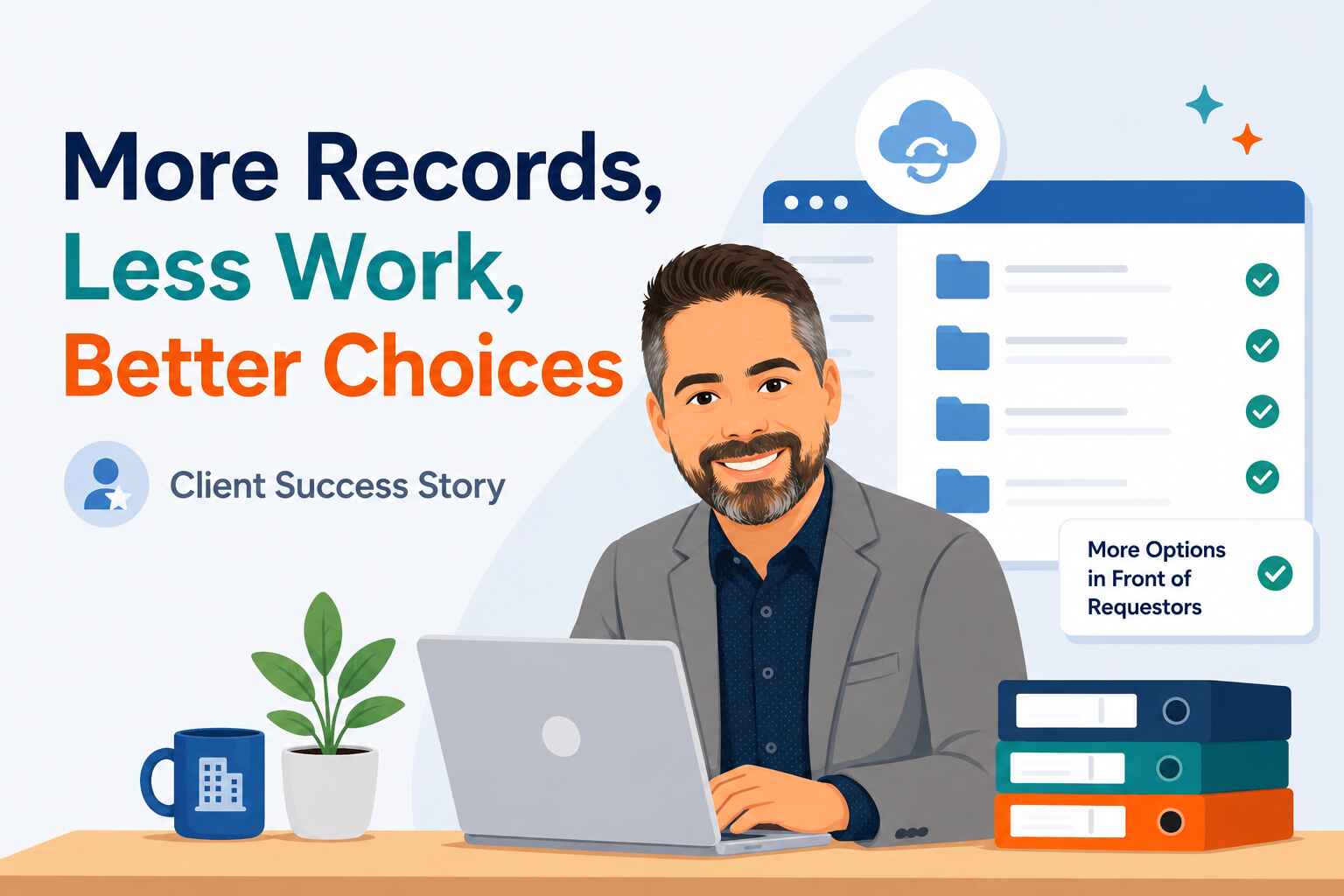
It also gives requestors much more visibility into what is available. They can see the records within each folder and choose the entire folder or individual records based on what they need.
A good example is meeting minutes.
We keep our council meeting minutes and general meeting minutes in separate folders, and we make six years of minutes available. Once requestors could choose the records themselves, I noticed that realtors acting for sellers would often select only two or three years of council minutes, while choosing more years of general meeting minutes.
That actually makes sense.
General meetings are where the bigger decisions are made—changes to budgets and strata fees, special assessments, major expenditures from the contingency reserve fund, and significant changes to common property. Looking at several years of general meeting minutes can provide a useful picture of the property’s longer-term history.
Council minutes provide more detail about the decisions and discussions leading up to those larger decisions and how they were implemented. That information can be useful, but the value of that detail often decreases as it gets older.
What I found interesting was that I didn’t have to make that distinction for the requestor.
I could make six years of both types of minutes available and let them decide how many years they wanted.
Some people wanted more. Some wanted less. And, in many cases, the choices they made seemed quite reasonable based on the information they were looking for.
That led me to start making other categories of records available as well.
For example, Notices of Meetings weren’t something we previously made available for purchase through our old platform. But because it’s so easy to make another folder available through Unicli, we decided to include them.
This can be useful when a meeting has recently been called but the notice won’t be included with the Form B because there are no 3/4 vote resolutions being proposed.
Previously, a realtor might call or email and ask, “Has the AGM notice gone out yet?”
Now, if the notice has been saved and made available, they can see that it exists and purchase it if they want it.
That may seem like a small change, but it represents a bigger shift in how I think about record requests.
From gatekeeper to giving people a choice
Previously, I was effectively the gatekeeper for which categories of records requestors could choose from. They could select from the categories we made available and choose a date range, but if they wanted a type of record that wasn’t one of those categories, they often had to contact me to ask whether it existed.
With Unicli, I can make many more categories of records available without taking on the same administrative burden. I simply make the appropriate folder available, and the requestor can see the individual records within it. They can choose the entire folder or select only the specific records they want.
I’m not choosing which records a requestor should receive. I’m giving them more choices about which records they can purchase.
That has also reduced the number of questions about whether particular records exist. Rather than asking me to investigate whether we have a certain type of document, the requestor can see the available folders and the records within them and decide what information is useful to them.
The result is a simpler process for both of us: more choices for the requestor, and less administration for me.
People are buying more records
There has also been a surprising financial result.
At Inspire, we’ve seen the average order increase by about 120 pages.
Some requestors choose fewer records than they might have purchased previously. But overall, people seem to prefer having more information available and deciding for themselves what they want.
Because Unicli’s base price is $20 less than the platform we used previously, those additional records haven’t resulted in a significant increase in cost to the owner or realtor.
I expected that giving people more choice would result in a modest increase in the number of records purchased. What I didn’t expect was how much the average order would increase—or how much administrative work would disappear at the same time.
People appear to be saying, in effect, “Show me what you have, and I’ll decide what I need.”
And because more categories are available, they can make that decision without having to ask me whether a particular type of record exists.
The lesson for me
The more interesting lesson isn’t really about selling more pages.
It’s about removing an unnecessary decision and reducing the amount of administration involved in making records available.
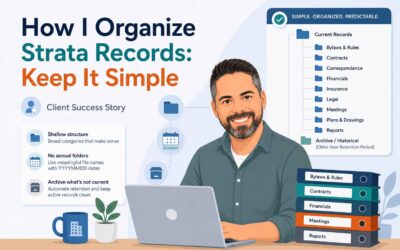
As I wrote in my article about how I organize our records, I try to keep the underlying filing system simple and predictable. That makes it easier for staff to know what records we have and which records are current, historical, or otherwise need to be handled differently.
Once the records are organized that way, making another category available doesn’t have to mean creating a new administrative process.
I can simply make the appropriate folder available, and the requestor can decide whether that type of record is useful to them.
That’s a fairly simple change, but it has changed the way I think about record requests.
I used to have to think carefully about which categories of records to make available because every additional category could mean more work when a request came in—or more questions when a particular type of record wasn’t available for a property. Now, I can make the appropriate folders available directly from SharePoint, and Unicli only presents requestors with the folders I’ve chosen to share. That makes it much easier to offer a broader range of records and let requestors decide what information they need.
The result has been fewer questions, less administrative work, more information being purchased, and more revenue for Inspire.
More records available. Less work for me. And more choice for the person requesting them. That’s a pretty good outcome.